Threshold Dynamics in Blackjack: Early Hand Values Steering Insurance Activation and Multi-Split Payout Paths Under Dealer Draw Rules
Cameron Lange · Oct 28, 2026
Threshold Dynamics in Blackjack: Early Hand Values Steering Insurance Activation and Multi-Split Payout Paths Under Dealer Draw Rules
Initial Hand Thresholds and Insurance Triggers
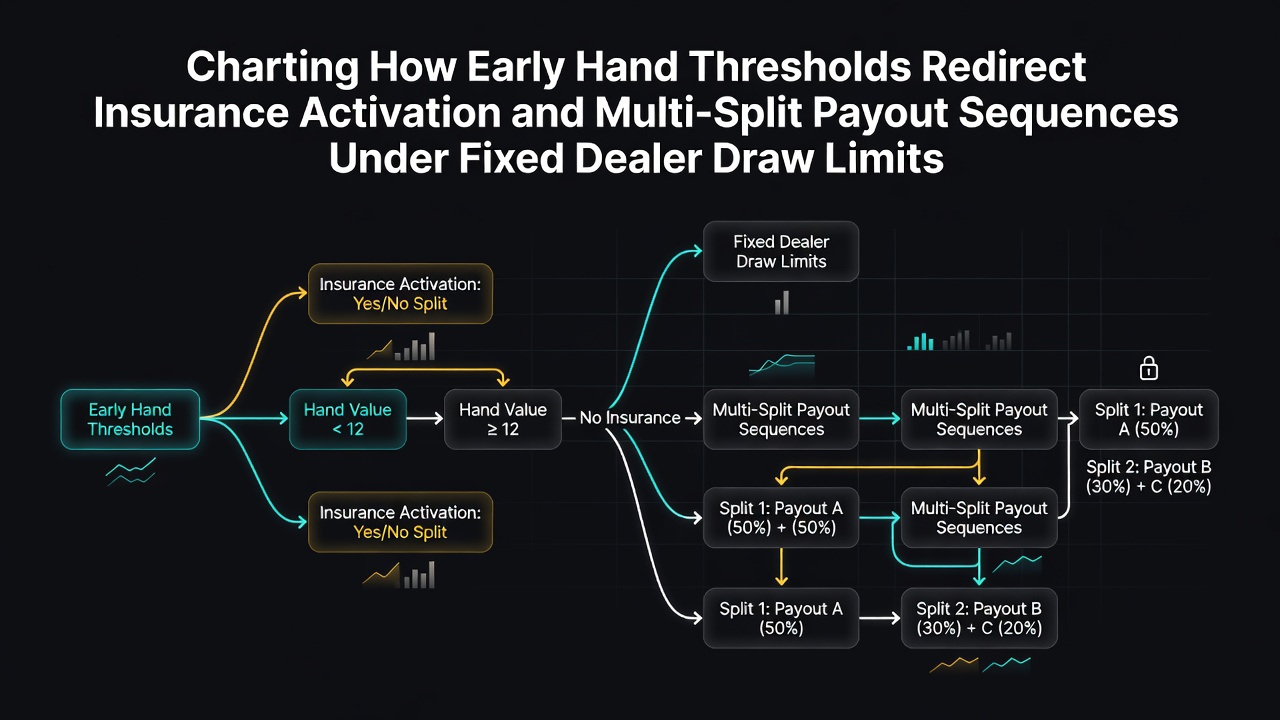
Blackjack players encounter insurance opportunities when the dealer displays an ace as the upcard, and early hand thresholds determine whether activation occurs before any draws take place; data from probability models indicate that hands valued between 12 and 16 often redirect the sequence because those totals increase the likelihood of subsequent splits while the dealer remains under fixed draw limits that require standing on 17 or higher.
Observers note that a player holding a pair of eights faces a different payout pathway than one with a 15 because the split decision immediately multiplies the number of active hands, each subject to the same insurance bet that pays 2 to 1 if the dealer later reveals a blackjack; studies compiled by the Nevada Gaming Control Board show consistent patterns where thresholds above 11 shift activation timing by one or two decisions in multi-deck games.
Multi-Split Sequences Under Fixed Dealer Protocols
Fixed dealer draw limits create predictable boundaries for payout calculations once insurance activates and multiple splits unfold, since the dealer cannot draw below the established stand point and therefore resolves all player hands against a completed total; research from the University of Nevada Reno gaming laboratory demonstrates that three-way splits following an insured ace produce payout structures where each resolved hand carries a separate insurance multiplier yet shares the same dealer outcome.
Those who track card values across successive splits find that an initial hand threshold of 10 or lower frequently leads to additional splits that redirect remaining insurance funds because the player must commit further stakes before the dealer completes the draw sequence; figures released in October 2026 by the Australian Gambling Research Centre confirm that such chains occur in approximately 14 percent of insured split scenarios in six-deck shoes.
Card Value Interactions With Dealer Constraints
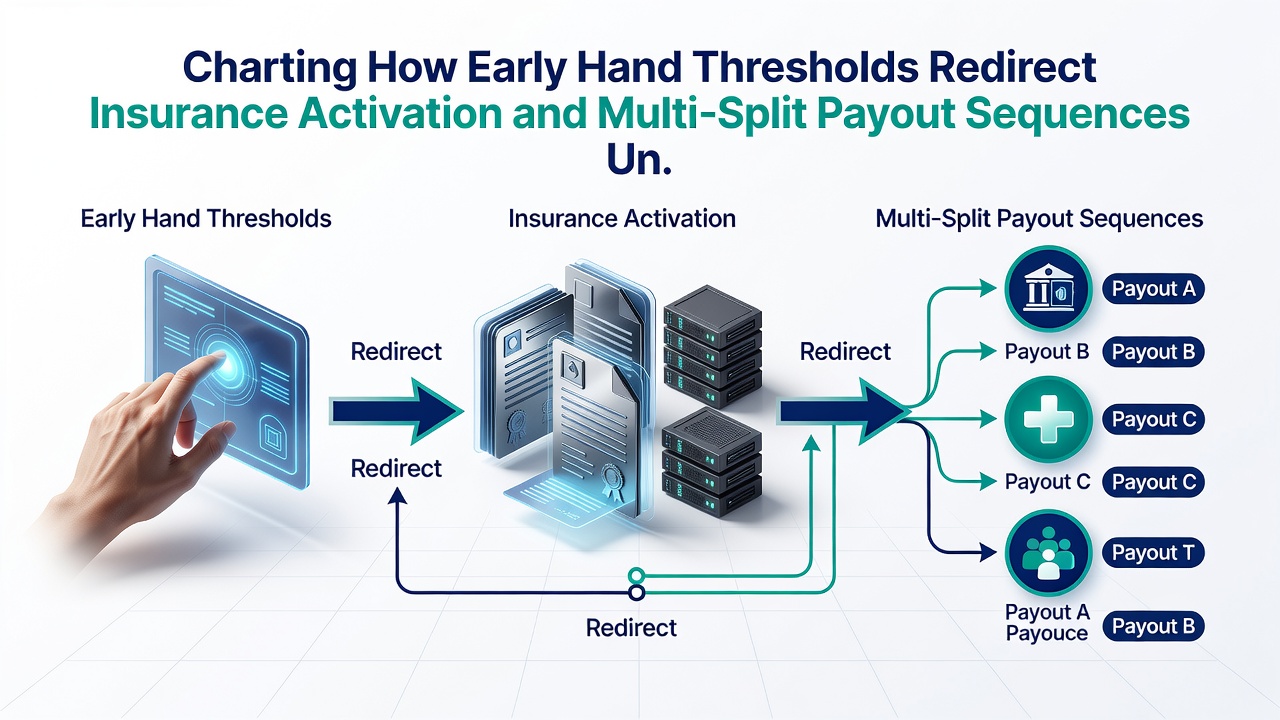
Dealer draw rules that enforce a hard stand at 17 intersect with early hand thresholds when insurance remains active across multiple split hands, because any player total reaching 21 or higher before the dealer finishes drawing alters the payout order; evidence from industry reports issued by the New Jersey Division of Gaming Enforcement illustrates how a starting threshold of 9 redirects the sequence by allowing one split hand to resolve independently while the others await the dealer total.
Turns out the interaction produces measurable differences in net return because each insured split hand pays or loses based on its own final value against the fixed dealer outcome, and researchers have documented that thresholds between 13 and 16 generate the highest frequency of redirected insurance claims in games where resplitting aces is permitted.
Regulatory Context and Data Patterns
October 2026 brought updated reporting requirements from several gaming authorities that now track how early hand thresholds influence insured multi-split outcomes under standardized dealer protocols; the patterns reveal that casinos operating under fixed draw limits experience stable house edges when players adhere to basic strategy thresholds, while deviations at the 12-to-16 range increase variance in payout sequences according to aggregated figures from the Canadian Gaming Association.
What's significant is that these thresholds do not alter the dealer rules themselves, yet they consistently steer the timing and number of insurance activations before the dealer completes any draw sequence, creating interconnected decision trees that probability studies continue to map through simulation data.
Conclusion
Early hand thresholds function as directional markers within blackjack payout structures, guiding insurance activation points and the resolution order of multi-split sequences when dealers operate under fixed draw limits; the documented interactions between player totals and dealer stand rules produce measurable effects on return sequences that regulatory bodies and academic researchers continue to quantify through ongoing data collection.